



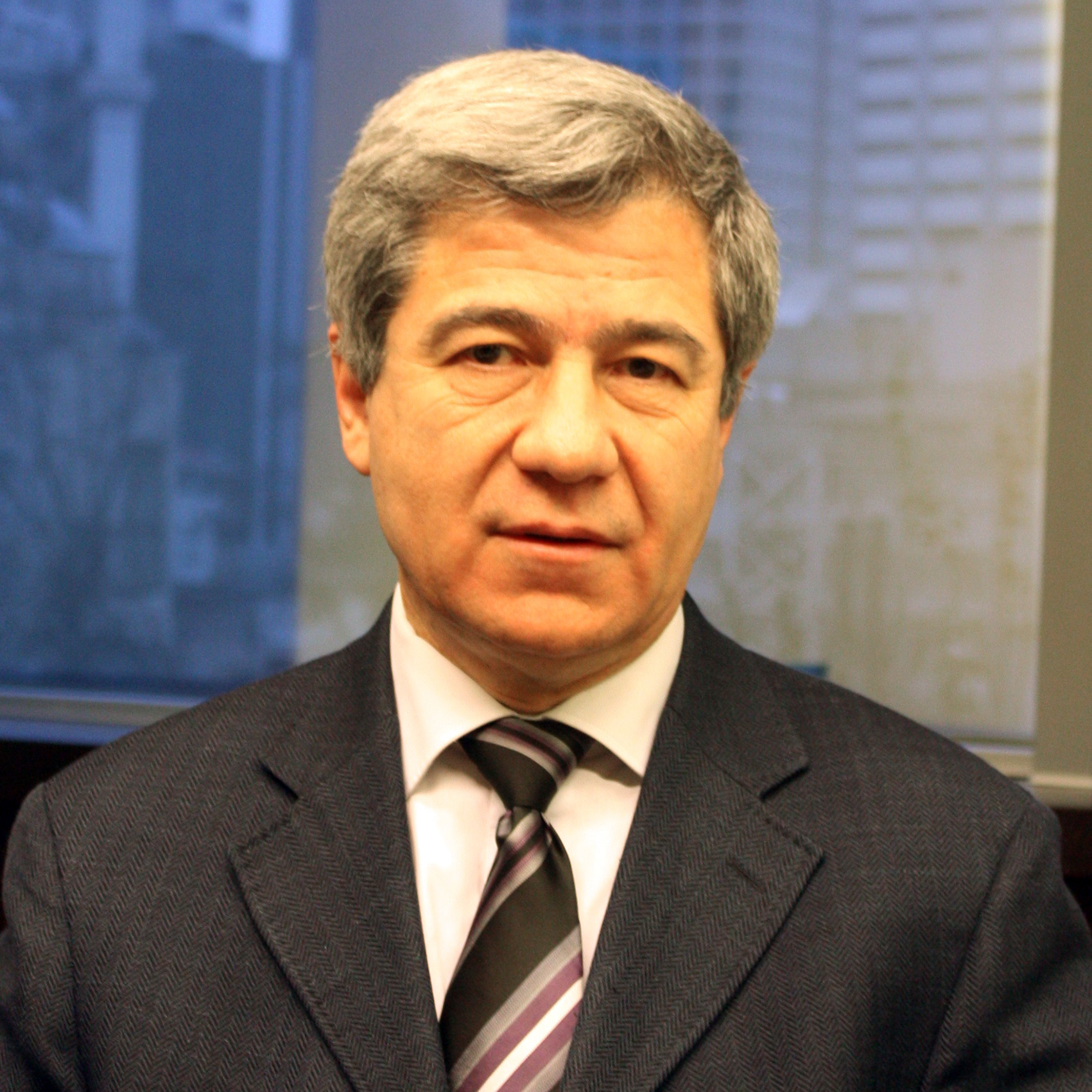
HASAN A. HEPERKAN
Impacts of Climate Change and Sustainable Energy Technologies for New and Existing Buildings
Abstract
Energy is the most important input for the social and economic development of societies. Fossil fuel reserves are decreasing and becoming more and more vulnerable. The concentration of greenhouse gases in the atmosphere is reaching dangerous levels for human well-being. Clean energy production and efficient use of energy are among the most crucial issues of our day.
A protocol was organized in Kyoto, Japan to limit greenhouse gases; it entered into force in 2005. The Paris Agreement reached a universal consensus in 2015 to strengthen global climate action by keeping the global temperature increase in this century well below 2°C compared to pre-industrial levels.
Adaptation to the climate change and transition to a carbon-neutral society can be achieved by carefully managing a series of changes. Such transitions that will lead the world to a green future require not only energy and the environment, but also the inclusion of economic and social areas in the process. The European Union has determined its direction on this issue with two vision documents; the Energy Roadmap 2050 and the European Green Deal.
The recently revised 2018 Energy Performance of Buildings Directive (EPBD) is an important component of the strategy to achieve a zero-emission and completely carbon-neutral building stock by 2050. It emphasizes the importance of improving the quality of life, health and work performance of building occupants. Comfort and health are also included in the “Smartness Readiness Indicator (SRI)”.
The proposed measures will increase the renovation rate of the worst-performing buildings in each country, modernize the building stock, support better air quality and the digitalization of energy systems for buildings. It introduces energy performance classes based on common criteria to increase the reliability, quality and digitalization of Energy Performance Certificates (building renovation passport). Heat pumps are a promising alternative in this context for the construction sector.
In modern economies, it is difficult to do business without ICT, information and communication technology and internet connectivity. New devices include communication modules that connect them to the internet or a similar network. These products are called IoT (Internet of Things), which is a network of interconnected cyber-physical objects. Digitalization is the widespread use of ICT, information and communication technologies (ICT), especially smart devices and sensors, and the innovative use of big data collection and analysis. Digital Control Systems (DDC) and BIM technologies are also used in building applications. These technologies are very useful in the design, operation, control, management and monitoring of air-conditioning and mechanical systems of buildings. Zero-energy and smart building technologies are considered an important tool for reducing greenhouse gas emissions without compromising comfort conditions through the correct design of mechanical and air-conditioning systems.
Biography
Graduated from Ankara Science High School and Istanbul Technical University, Mechanical Engineering Faculty. Received Fullbright and Tübitak – Nato scholarships to study in the USA. Graduated with a M.Sc. degree from Syracuse University and Ph. D. from University of California, Berkeley. Worked at Lawrence Berkeley Laboratories during his graduate work and Union Carbide Research Center after graduation. Served as a guest professor at Engler-Bunte Combustion Institute, Universitaet Karlsruhe (TH) with support from the Alexander von Humboldt Foundation in Germany for three years. Returned to Turkey and worked at TÜBİTAK Marmara Research Center, Bosch, and Demirdöküm in the Research Department before becoming a full professor at Yıldız Technical University in 1997. He has served as the Dean of the Mechanical Engineering Faculty at the same university between 2003 and 2006. Since 1987, he has been giving various courses on thermal sciences, mechanical installations, air conditioning, numerical methods, modeling, simulation, and optimization at Yıldız Technical, Marmara, Yeditepe, Okan, Bahçeşehir, Gedik Universities and the Air Force Academy, and has supervised many doctoral and postgraduate theses. He has carried out national and international research and industrial projects. Heperkan, who speaks fluent English and German, has won various national and foreign awards, and published many books, articles and papers. He is currently a member of the academic staff of Istanbul Aydın University, Faculty of Engineering, where he served as the dean between 2016-2022. He is a member of non-governmental organizations such as TMMOB-MMO, Mechanical Engineers Chamber, ISKAV, HVAC Research and Education Foundation, TTMD, Turkish Installation Engineers Association, ISKID, HVAC Equipment Manufacturers Association, MTMD, Mechanical Installation Contractors Association. İZODER, Thermal, Water, Acoustic and Fire Insulators Association ASHRAE.