



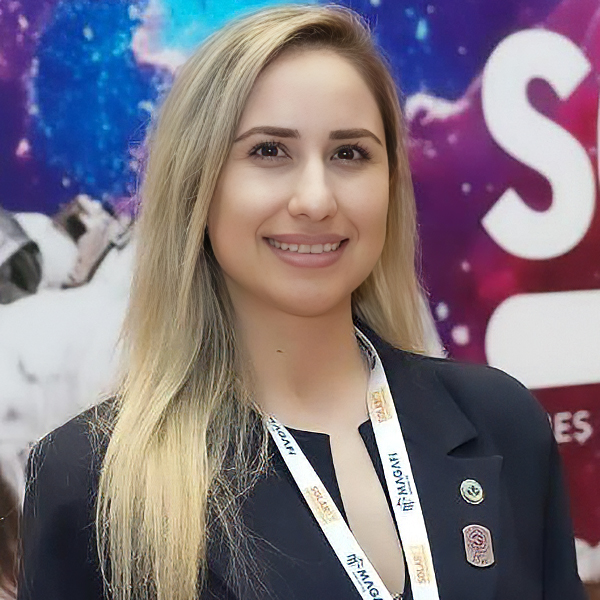
CEREN AYDIN
Development of a Current Model for the Turkey Reference Energy System
Abstract
At the global scale, energy systems are undergoing a rapid transformation driven by climate change mitigation efforts, energy supply security concerns, and sustainable development goals. Effective planning of this transformation requires comprehensive and quantitative analyses of national energy structures through integrated modeling approaches. In this study, an up-to-date Reference Energy System (RES) model for Türkiye is currently under development to support the assessment of the country’s existing energy infrastructure and its prospective energy transition pathways. The proposed model is being structured to represent the entire energy chain, from primary energy resources to final energy consumption. Major sectors, including electricity generation, industry, transportation, and buildings, are considered separately. Fossil fuels, renewable energy sources, and emerging energy technologies are being systematically incorporated into the model framework. Through the reference energy system approach, the aim is to comprehensively represent Türkiye’s energy supply–demand balance, resource allocation, and sectoral energy consumption structure. In the ongoing model development process, a base year is being defined using the most recent available statistical data, and the framework is being prepared for long-term energy system projections. In addition to the reference scenario, alternative scenarios based on different policy and technology assumptions are planned to be constructed. These scenarios are intended to enable comparative analyses of energy demand trends, renewable energy penetration, and carbon emission trajectories. The preliminary structure of the developed model highlights the potential of reference energy system modeling as a robust analytical tool for examining Türkiye’s energy transition. Once completed, the model is expected to provide a quantitative decision-support framework for strategic energy planning and policy development, supporting evaluations of national energy policies, sustainability targets, and long-term decarbonization strategies.
Biography
Ceren Aydın serves as a lecturer at Istanbul Gedik University, specializing in energy systems engineering and mechanical engineering. She holds undergraduate degrees in Energy Systems Engineering, Mechanical Engineering, and Business Administration. Furthermore, she completed her master’s degrees in Energy Systems Engineering and Business Administration and is currently pursuing her doctoral studies in mechanical engineering.
Her research covers various fields of energy, including energy efficiency, sustainable energy management, renewable energy technologies, and energy conversion systems. Focusing on the holistic structure of energy systems, Aydın has participated in research on the use of phase change materials and heat pipes in the cooling of electronic devices. She has also authored academic publications on energy conversion, carbon footprint reduction, and the integration of renewable energy sources.
In addition, she serves as a member of the organizing committee for the Energy Transition and Sustainability Conference and as a board member of the Energy Technologies Application and Research Center at Gedik University. She continues her academic studies and applied projects in the field of energy, constantly enhancing her expertise in this area.