



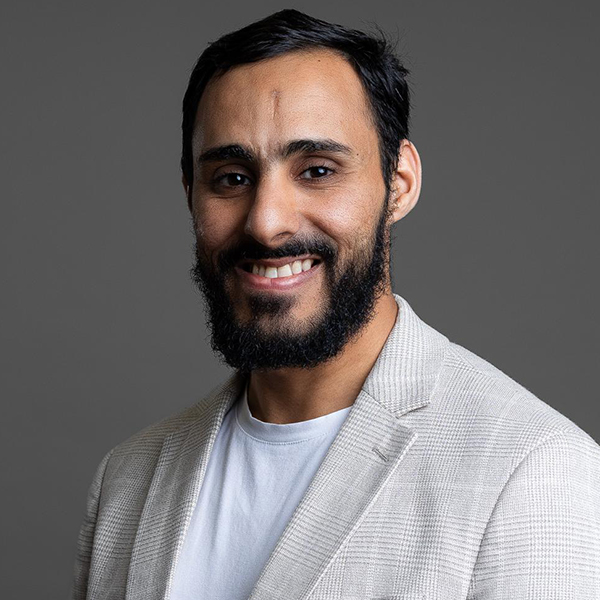
AZZAM ABU-RAYASH
Evaluating Solar Potential in the GCC Using LiDAR Assessment for Energy Resilience
Abstract
Renewable energy plays a crucial role in mitigating the impacts of climate change in rapidly growing arid cities. Quantifying rooftop solar potential is essential for reducing dependence on fossil fuels, especially amid ongoing geopolitical crises and the closure of the Strait of Hormuz and the suspension of 20% of the world’s fossil fuel exports. This study assesses solar rooftop potential across all building types using high-resolution LiDAR data (30 pts/m²) and remote sensing imagery (0.5 m). The novelty of this study lies in evaluating solar energy potential in arid regions that experience frequent dust storms, with the strategic aim of energy independence in light of external geopolitical crises. This approach offers a more realistic assessment of PV performance in arid climates. GIS and machine learning techniques were used to generate multiple LiDAR-derived elevation models. The model incorporates rooftop characteristics, including area, slope, orientation, and shading. These parameters enable the estimation of theoretical, technical, and economic PV potential. The result shows that more than 90% of the rooftops in Qatar receive more than 700 kWh/m² of solar radiation annually, with an average of 1185 k kWh/m². Daily solar radiation ranges from 2.2 kWh/m² in winter to 5.9 kWh/m² in summer. Dust events significantly reduce solar energy potential, with a daily loss of 30%-50%, while at times the instantaneous loss can reach 70%. Furthermore, a typical 10-kW rooftop PV system is estimated to avoid approximately 174 tons of CO₂ emissions over its operational lifetime. The resulting building-level solar potential database provides a robust decision-support tool to accelerate renewable energy adoption, promote a more decentralized energy system, and transform Qatar’s energy matrix.
Biography
Azzam Abu-Rayash is an Assistant Professor at the College of Science and Engineering at Hamad Bin Khalifa University, Governor at Ontario Tech University, and the founding CEO of Polaris Energy Sustainability Solutions. Dr. Abu-Rayash is licensed as a Certified Energy Manager (CEM) and Certified Measurement and Verification Professional (CMVP) by the Association of Energy Engineers (AEE). He is also a certified Project Management Professional (PMP) with the Project Management Institute.
Dr. Abu-Rayash has over a decade of industrial and research experience in the energy industry and sustainability field and has published numerous books and peer-reviewed articles on the topics of energy sustainability and smart cities. He has also presented research at numerous national and international conferences. His contributions to the field have been highly recognized, with his articles ranking among the most cited since 2019 in Elsevier’s journals such as the Journal of Energy Research and Social Science.
Dr. Abu-Rayash authored the energy plan for the City of Oshawa, which was recognized by the Association of Energy Engineers (AEE) by receiving the Institutional Energy Management Award for 2020. He played a pivotal role in shaping Canada’s Green Building Strategy through establishing the Government Greening Fund and the Green Building Directive, leading the public sector towards Net Zero. Currently, he leads a vibrant research group working on several projects on the topics of smart cities and the sustainable built environment.