



DORUK GÜRKAN
Energy-Efficient Hybrid Laser Processing of Powders: A Comparative Assessment with Conventional Manufacturing Routes
Abstract
The increasing demand for sustainable and energy-efficient manufacturing technologies has driven the development of alternative processing methods that minimize energy consumption while maintaining high material performance. In this study, a novel defocused nanosecond pulsed laser-based hybrid sintering–melting approach is evaluated in comparison with conventional manufacturing techniques, including furnace-based sintering and continuous-wave (CW) laser processing. Traditional powder metallurgy routes typically require prolonged processing times, high global temperatures, and controlled atmospheres, leading to significant energy consumption and environmental impact. Similarly, continuous-wave laser systems, while capable of achieving full densification, often involve excessive heat input, large heat-affected zones, and inefficient thermal utilization. In contrast, the proposed pulsed laser method operates under open atmospheric conditions and introduces cyclic heating–cooling behavior, enabling precise control of energy input and localized thermal accumulation. The comparative analysis demonstrates that the proposed method significantly reduces total energy input by eliminating the need for bulk heating, long processing cycles, and auxiliary systems such as inert gas shielding. The hybrid sintering–melting regime allows gradual densification, minimizing unnecessary overheating and improving thermal efficiency. Furthermore, the defocused laser configuration increases the interaction area, promoting effective energy distribution and reducing peak energy requirements. The method offers a unique balance between energy efficiency, process controllability, and material performance, making it highly relevant for next-generation green manufacturing systems aligned with renewable energy and sustainability goals.
Biography
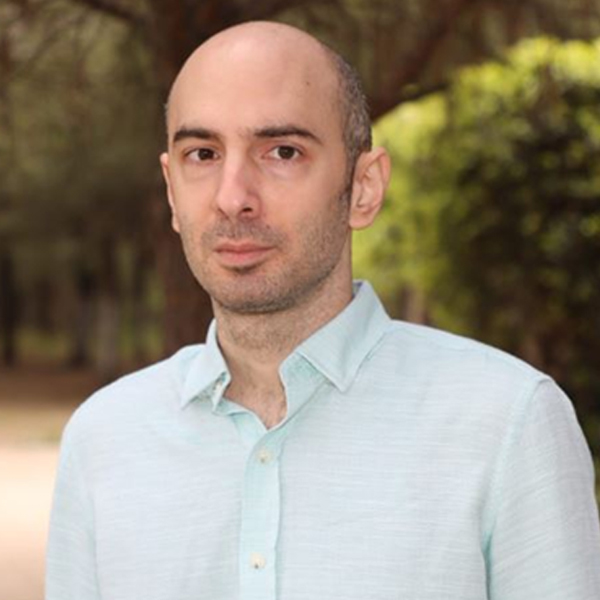
Doruk Gürkan was born in Istanbul. After completing his undergraduate studies in mechanical engineering at Trakya University, he earned his master’s and doctoral degrees in the same field at Yıldız Technical University. Following a career in the communications sector, he began his academic career. He currently works in the Department of Mechanical Engineering at Istanbul Gedik University. His work focuses primarily on additive manufacturing, coatings and materials science. His research also includes energy efficiency studies and the development of collaborative projects with private sector companies in this field.